



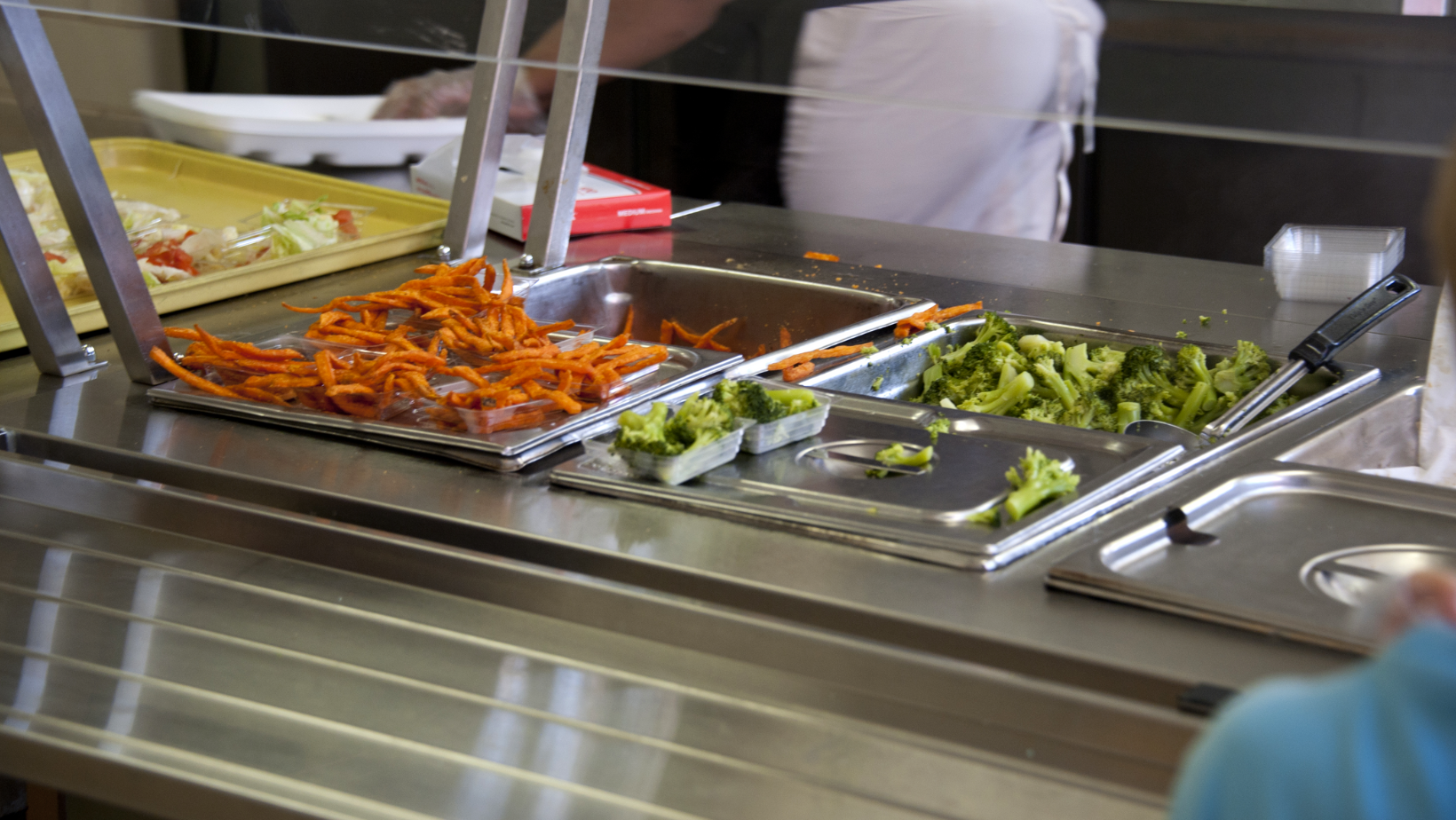
For many schools and school cafeterias, ongoing discussions center on how to improve school lunches. With so much information about sources of healthy alternatives to standard school lunches, now is a great time to make changes that will improve students' health, benefit local food producers and potentially offer cost savings.
Here are 30 practical ideas to help K-12 schools offer healthier meal options while boosting lunch participation. By following these steps, your schools can create sustainable lunch programs that provide nutritious, appealing and balanced meals while being mindful of cost efficiency.
Table of Contents:
- Why Improve School Lunches
- How to Improve School Lunches
- 1. Survey Students and Parents
- 2. Enroll in Farm-to-School Programs
- 3. Increase Gardens in School
- 4. Source Health-Focused and Sustainable Foods
- 5. Eliminate Processed Food and Unhealthy Ingredients
- 6. Include a Wide Variety of Vegetarian Options
- 7. Get Inspiration from the World
- 8. Define Rules and Expectations for Students
- 9. Get All the Details and Share Key Information
- 10. Spread the Word
- 11. Family and Community Engagement
- 12. Boost Breakfast
- 13. Make Monthly Menus
- 14. Offer Pre-Order Options
- 15. Honor Religious Beliefs
- 16. Train Kitchen Staff
- 17. Engage Students to Make Lunches Fun
- 18. Get Social
- 19. Build Local Business Ties
- 20. Hit the 20-Minute Seated Target
- 21. Move Recess Before Lunch
- 22. Start a Safe Share Table
- 23. Make Water Accessible
- 24. Allergy Smart Serving
- 25. Add a Self-Serve Fruit Bar
- 26. Create Labor-Friendly Designs
- 27. Use Free Tools and Templates
- 28. Simplify Eligibility and Consider Universal Meal Programs
- 29. Reduce Plate Waste Without Slowing Service
- 30. Go Cashless
Why Improve School Lunches?
There are various reasons to improve school lunches. Here are some to consider.
- Nutritional and Social Benefits for Students: Students benefit from a healthy lunch that keeps them focused throughout the day. The social break also helps them expend energy, which benefits concentration. Schools must aim to provide healthy food and a pleasant atmosphere to help students get the most out of lunchtime.
- Participation Rates Lead to Lower Prices: Schools with more children participating in their lunch programs can get better pricing by buying in bulk. Providing good, healthy food and a favorable environment may encourage students and parents to enroll in the lunch programs, so schools can take advantage of savings.
- Improved Funding: Lower food prices can be combined with clever marketing methods, like selling items à la carte, to increase school funding.
How to Improve School Lunches
Improving school cafeteria lunches means offering more fresh fruits and vegetables, whole grains and lean proteins while reducing processed foods and sugary drinks. Schools can also involve students and parents in planning, add fun presentations and choices, and partner with local farms for fresher meals. These steps help make school lunches healthier, more appealing and better for learning.
1. Survey Students and Parents
It's important that your lunch program meets the needs of your key stakeholders: students and parents. These groups have differing concerns about school lunches. Students want items that are tasty, and parents usually want food that meets their children's nutritional needs.
We built customizable survey templates to help you learn how to improve school lunches and increase participation. We offer an age-appropriate template for students and a comprehensive template for parents.
Collecting parent and student feedback will help you understand what's working and where to make improvements. Use this feedback to create a lunch program that meets the needs of your entire school community.
2. Enroll in Farm-to-School Programs
The National Farm to School Network offers invaluable resources to K-12 school cafeterias. The USDA Farm to School Program helps incorporate and promote local foods — and research has found that these programs can foster healthy eating in schools, making students more likely to try nutritious fruits and vegetables.
3. Increase Gardens in School
Across the U.S., school gardens are becoming a popular way to teach students about healthy food. Here are some examples:
- A school in Vermont has indoor tower gardens that allow students to learn how fresh ingredients can be grown and used in healthy recipes.
- In New York City, raised beds give students access to a variety of fresh produce.
- Tribal communities offer native food gardens to provide students with a unique chance to learn how to incorporate traditional ingredients into their meals.
- Alice Waters' Edible Schoolyard Project at a middle school in California includes a one-acre garden and a kitchen classroom.
The 2015 USDA Farm to School Census indicated that there were more than 7,000 school gardens across the country.
Nutrition education should be part of the curriculum to ensure that students understand how to use the fresh ingredients they grow. This can be done through field trips to the garden, special lessons about healthy eating habits and other interactive activities.
4. Source Health-Focused and Sustainable Foods
Making the switch to higher-quality, more nutritious, local and sustainable food can help schools create healthy school lunches that students enjoy — all while working within a budget. Preparing more meals on-site can also be a great way to improve quality.
In 2016, the Oakland Unified School District in California made a groundbreaking decision to partner with the Center for Good Food Purchasing. This enabled the school to source food from local farms and companies that provided nutritious, minimally processed ingredients — sourced from suppliers following fair labor practices. In just two years, the district reduced its animal product intake by 30%, with remaining meat sourced from pasture-raised suppliers.
5. Eliminate Processed Food and Unhealthy Ingredients
Processed foods contain added sugars, fats, sodium and other additives that are harmful to health. Here are some steps schools can follow to provide healthier meals:
- Eliminate Processed Foods: Processed foods lack important nutrients. Eliminating them from lunch menus helps ensure students get the vitamins and minerals they need to stay healthy.
- Include Whole, Fresh Foods: Replacing processed foods with whole, fresh foods improves students' health and teaches them long-term habits that reduce the risk of chronic disease.
- Go Organic: Many school cafeterias serve local organic milk and local or organic fruits and vegetables that are free of toxins harmful to health.
The Berkeley Unified School District in California has taken steps to make school lunches healthier by eliminating processed foods — including hydrogenated oils, high-fructose corn syrup, refined sugars, refined flour, chemical additives and nitrates. Paying attention to portion sizes also helps reduce food waste and prevent overeating.
6. Include a Wide Variety of Vegetarian Options
Schools need to include vegetarian, vegan and other dietary options in their menus to help ensure students get enough nutrients even if they don't eat meat. Consider adding plant-based meals that are a good source of protein, fiber and vitamins.
- After a successful pilot program at seven Los Angeles schools, the Los Angeles Unified School District moved toward offering vegan options at every school.
- The latest Johns Hopkins research shows 95 school districts have implemented Meatless Mondays across the Northeast United States alone.
- As of 2023, all public schools in New York participate in Meatless Mondays and Vegan Fridays.
Bowls
Bowls are a great way to offer meal variety by including several nutritious foods at once. Try adding quinoa with black beans and veggies, zoodles with veggies or lentil salads to your school lunch menu. Buddha bowls — combining grains, colorful vegetables and legumes — are also a great option. For ideas, check out Forkly's Buddha bowl recipes.
Burritos and Wraps
Burritos and wraps offer students healthy, filling options. Consider bean burritos, tahini and red pepper rolls, plant-based chickpea "tuna" salad, collard wraps, veggie sushi rolls or plant-powered pita pizzas.
Sandwiches
Get creative in the lunchroom with cucumber and hummus, apple and nut butter, avocado and veggies or veggie burgers. Mix up classic spreads too — white bean hummus or pea and mint hummus can make a familiar item feel new.
Pasta Salad
Whole-grain or bean-based pasta with beans, veggies and your favorite sauce is an easy, delicious and healthy addition to any lunch program.
Salad in a Jar
Portable and easy to prepare, jar salads work well for school settings. Options like crunchy Asian salad, Mexican black bean salad, fruity kale salad and Greek chickpea salad all hold up well.
Healthy Sides and Snacks
Round out meals with fresh fruit, roasted chickpeas, kale chips, celery with nut butter and raisins, energy balls, homemade granola bars, chia seed puddings or veggies with hummus.
7. Get Inspiration from the World
Many countries strive to provide quality meals for students at an affordable cost. Here are some encouraging examples.
France
By law, at least 50% of school lunches in France must include vegetables. In 2017, the European Union also announced plans to invest in a program to help cover the costs of school lunches and subsidize the inclusion of fruits and vegetables.
U.K.
A public campaign in the U.K. is working to improve plant-based food options in schools — advocating for daily meat-free meals, separate meat-free options and one fully vegetarian day per week.
Japan
School meals in Japan are a source of national pride. Food is sourced locally whenever possible and is almost always fresh rather than frozen — a model worth emulating.
Brazil
Nutritionists in Brazil create lunch menus with a 30% minimum quota for organic agricultural products sourced from local farmers, with meals prepared fresh and from scratch.
8. Define Rules and Expectations for Students
Without clear rules and expectations, the cafeteria can quickly become a chaotic and unpleasant environment. When schools are clear about student behavior during lunch, it creates a more organized experience — improving behavior, reducing bullying and promoting inclusivity.
Our free lunchroom rule poster templates offer an easy way to set rules and expectations. They're editable, printable and completely free.
9. Get All the Details and Share Key Information
When parents complete permission slips for school lunch, give them space to fill in allergies, dietary restrictions and food preferences. Gather financial information as well to make it easier for parents to sign their students up for free or reduced-fee lunch.
Arm teachers and staff with the information parents need to enroll. Consider creating a guide or sharing online resources such as:
- Income eligibility guidelines
- Online applications
- Any state or local programs students can join
10. Spread the Word
If students stop participating in the program, it could be in danger of dying out. The more students participate, the easier it is to drive down costs. Here are some ideas for encouraging participation:
- Mention the lunch program in school newsletters and weekly emails sent home to parents
- Create bulletin boards to promote the program — get students involved in making them
- Use bulletin boards to share health facts, new menu items, menu themes and other highlights
11. Family and Community Engagement
One way to improve school lunches is through parental involvement. Here are three techniques that work well.
1. Lunch with Parents
Invite parents to join their children for a free lunch in the cafeteria when they sign up for the school lunch program. This gives parents a unique incentive to sign up and a chance to taste the cafeteria food firsthand.
2. Give Cafeteria Tours During Open House
When parents attend open houses, include the cafeteria on the tour. Connecting the dots for parents helps them understand what the program offers and makes them more likely to enroll their students.
3. Introduce the Cafeteria Staff
Give cafeteria staff the recognition they deserve. Introduce them in the school newsletter or on the school website — with photos and brief bios — the same way you would for teachers and the principal.
12. Boost Breakfast
Breakfast and lunch programs can work together to support one another. Having more students ordering breakfast in the cafeteria will inevitably get them to sign up for the lunch program too. The cafeteria already has the equipment and facility to prepare food, so it shouldn't require significant additional investment. Expand the menu to include breakfast as a trial run for a few months — chances are, it will catch on quickly.
13. Make Monthly Menus
Meal planning a month in advance allows the cafeteria to order supplies ahead of time, prep components early and stay on budget without last-minute spending. Students enjoy knowing what they'll have for lunch days or weeks in advance — and parents can plan home menus around the school schedule and get insight into their children's nutrition.
We built free menu templates to help you get started.
14. Offer Pre-Order Options
Allowing students to pre-order meals keeps the lunch line moving and helps cafeteria workers know exactly how many of each meal to prepare — reducing leftover food and keeping costs down. Students love it too, since their meal is ready when they arrive.
15. Honor Religious Beliefs
Dietary restrictions due to religious beliefs are an important consideration. Offer kosher meals, Halal meals and meat-free options during Lent. Menus should clearly list these options so students and parents know without having to ask. Educate nutrition staff on the differences between dietary requirements so they can serve students appropriately.
16. Train Kitchen Staff
Delicious and nutritious meals start with well-trained cafeteria staff. Proper training includes food handler certification covering health hazards, proper cooking temperatures, cleaning processes and strategies like FIFO.
While training kitchen staff, also take time to educate them on their allotted budget and the cost of items they use. Encouraging them to minimize waste helps reduce expenses.
17. Engage Students to Make Lunches Fun
In our time working with 1,300 districts, we've seen five effective ways schools engage students during lunchtime. In most cases, it costs very little time or effort.
1. Create Menu Themes
Menu themes make meals more interesting and appealing. Run contests for students to name menu items and create menu art. Tie themes in with events happening at the school to unite learning and lunch.
2. Go on a Trip Without Permission Slips
Take students' taste buds on a trip around the world with stops in different countries for international cuisines. Or stay within U.S. borders and make each state's most popular sandwich. It keeps cafeteria workers' jobs interesting too — and gives students a chance to learn about geography and other cultures.
3. Have a BBQ and Picnic Day
Weather permitting, take the lunch line outdoors. Train cafeteria staff to use grills safely and block off the grill area from students. Set up blankets and serve picnic-friendly foods — include meat-free options and throw on some fruit kebabs for a grilled dessert.
4. Make Mondays Something Special
Monday lunches can be something students look forward to. Let them vote on what they want to see on the menu and make it happen. Giving students a say creates buy-in and builds excitement for the week ahead.
5. Mark Seasonal Celebrations
Holiday-inspired menu items — tied to celebrations from any part of the world — are great for spicing up a school lunch menu. Encourage cafeteria staff to get creative with it.
18. Get Social
Social media can be the way to a student's stomach. An Instagram page, Facebook account or even Snapchat that students and parents can follow is a low-cost way to build excitement around the lunch program. Post photos of menu items, share food facts, show videos of food being made and run polls on what students want to see on the menu.
19. Build Local Business Ties
Serving food that is familiar to students connects them to their community on a different level. Provide pizza Fridays from a popular local pizzeria or Tuesday tacos from a local taqueria students frequent with their families. Tying in the community is good for everyone — and the restaurants may even offer a discount.
20. Hit the 20-Minute Seated Target
According to the CDC, children should get at least 20 minutes of seated time at lunch — not counting time spent waiting in line, using the bathroom or cleaning up. The 20-minute target has been shown to increase nutrient absorption, improve healthy food choices and reduce plate waste. A 2021 JAMA study found that 20 minutes of seated time was associated with significantly less fruit and vegetable waste compared to 10 minutes.
Schools can achieve this goal by:
- Decreasing wait times with parent volunteers, pre-payments and an accessible cafeteria setup
- Creating comfortable lunch environments that encourage students to relax and eat
- Adding a cold cart next to the meal line for students who need to grab and go
- Setting up an additional POS system for faster payments
21. Move Recess Before Lunch
A Science Direct study found that moving recess before lunch can lead to a 54% increase in fruit and vegetable serving size per child and 10% more students consuming fruits and vegetables overall. When recess comes after lunch, children tend to run off without finishing their food. Scheduling it beforehand gives students a chance to socialize first — then settle in and eat.
22. Start a Safe Share Table
According to a Food Waste Fact Sheet, schools waste an estimated 530,000 tons of food each year. Much of this comes from students picking up food items and discarding them. A safe share table can address this. Here's how it works:
- The cafeteria sets up a cart or table clearly labeled as the share table
- Students can place wrapped, unopened items on the table, as well as fruits with the skin still intact
- Staff maintain temperature logs of perishable items to ensure safety
- Students who are still hungry can take items off the cart
- Anything that remains uneaten can be donated to after-school programs or nurses who need to give students food with medication
23. Make Water Accessible
Water reduces the intake of sugary sodas and juices and provides a feeling of satiety so kids eat less. According to a Syracuse University study, drinking water was associated with a 0.9 percentage point drop in overweight boys and a 0.6 percentage point drop in overweight girls, and reduced milk consumption by 12.3 half pints per student per year.
Schools can make water more accessible by setting up dispensers near lunch lines. To reduce traffic, consider adding decals that say "Fill first, sip while you sit" and "Refill as you exit."
24. Allergy Smart Serving
According to the CDC, allergies affect one in thirteen children in the U.S. Under 7 CFR 15b in the USDA manual, schools are also required to make modifications for students with disabilities, including allergies. Food service directors can protect students with the following systems:
- Plain Language Allergen Icons: Include icons on serving trays and food items so students clearly understand what to avoid.
- Known Modifications Clip Files at the POS: Special indicators flag orders requiring allergy modifications.
- Collect Allergy Info in Advance: Inquire about allergies when families sign up. If possible, install a system that prevents students from ordering items they are allergic to.
- Make Allergen-Free Meals: These can be eaten safely by students with allergies, ensuring peace of mind for families and staff.
For more guidance, check out our free K-12 School Allergy Guide.
25. Add a Self-Serve Fruit Bar
A 2025 natural experiment in Mid-Atlantic elementary schools found that salad bars increased fruit selection by up to 0.44 cups and intake by up to 0.36 cups — indicating that students are more likely to eat healthy food when it's easily accessible. Schools can encourage more fruit and vegetable consumption by:
- Placing fruits and vegetables early in the flow so students choose healthy food before their plates get full
- Pre-slicing fruits and vegetables to make them easy to eat
- Including taste tests and name cards next to items to entice students to try something new
This CDC article provides more information on encouraging students to lead a healthy lifestyle.
26. Create Labor-Friendly Designs
Staffing shortages are real. A School Nutrition Association survey found that 71.6% of all school lunch programs are short at least one staff member, with an overall vacancy rate of 8.7%. Efficient processes help ensure students move through lunch lines quickly and have adequate time to eat:
- Create Grab-and-Go Processes: Integrate a cart for grab-and-go meals with a designated POS system for checkout.
- Recruit Student Ambassadors: Student ambassadors can guide their peers, minimizing traffic and keeping lines moving.
- Use Laminated Line Maps: Maps help students understand where to go so they don't hold up lines or need to ask for help.
27. Use Free Tools and Templates
You and your team are busy — you don't want to reinvent the wheel. Our team built a free kit that includes:
- Inventory trackers to keep things simple
- Editable safety checklists you can print instantly
- Posters that kids actually notice and follow
- Menus and calendars to plan ahead without stress
- And much more
28. Simplify Eligibility and Consider Universal Meal Programs
According to Congress, 60% of NSLP-participating schools offer some sort of universal free meal program, whether through state or federal funding. These programs benefit schools by ensuring more students participate (lowering food costs), streamlining cafeteria line flow and reducing the stigma for students who qualify for free or reduced-price meals.
If a universal free lunch program isn't feasible, explore options that support participation, such as:
- Maximizing Community Eligibility: Schools in high-poverty areas may be able to provide students free meals if enough qualify.
- Using Direct Qualification: Families that qualify for SNAP or TANF can automatically qualify for free lunches, increasing participation while decreasing paperwork.
- Running "Application Sprint" Weeks: Designate staff to help families complete applications quickly and identify families that qualify but haven't yet applied.
29. Reduce Waste Without Slowing Service
The USDA sets guidelines for an Offer vs. Serve (OVS) program that allows students to decline items they won't eat, potentially minimizing waste. Children must be offered five required meal components at lunch and three at breakfast but are permitted to refuse components.
Tips for implementing an OVS program:
- Review the OVS tip sheet with your lunch staff and consider posting it in the cafeteria
- Ensure staff understand the concept of a reimbursable meal — the five required lunch components and three breakfast components make meal expenses reimbursable by state or federal governments
- Teach students the importance of eating nutritiously so they understand why certain components are recommended, not just optional
Schools may also consider composting food, paper plates and other lunchtime items — converting waste into valuable soil amendment rather than sending it to a landfill.
30. Go Cashless
The same School Nutrition Association survey found that 96.8% of schools that do not offer universal free meals often face challenges with unpaid meal charges. As a result, unpaid meal debt rose to $6,900 in the fall of 2024 — a 25.6% jump from 2023.
Schools can avoid meal debt by going cashless. Automated systems can:
- Turn on low balance alerts
- Allow families to auto-replenish their accounts
- Support contactless POS systems to reduce germ spread
- Add "pay now" QR codes to menus with RevTrak and SIS-integrated systems
- Remove the hassle of cash handling so lines move quickly
Want to learn more about how a cashless system works? Here's an interactive overview in seven steps.


Free Resources
.jpg?width=450&name=School-Lunch-Rules_thumbnail%20(1).jpg)